Discoveries
Chernobyl: CIA blamed more than operators — and found a safety flaw with no feasible fix
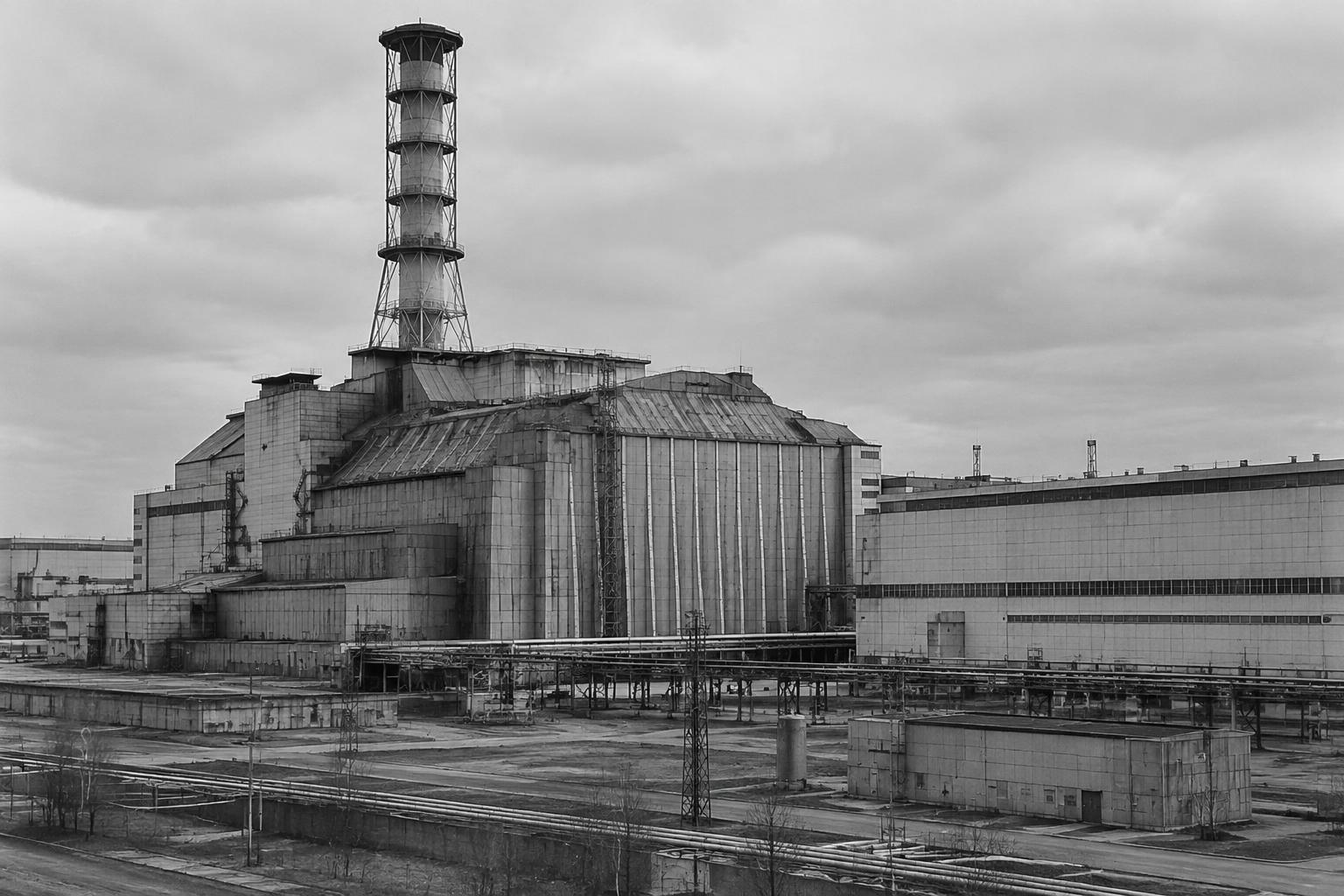
Operator errors were only part of the story: a CIA assessment identified dangerous reactor design characteristics and an emergency response that underestimated the catastrophe. A year later, its warnings extended from nuclear safety to the credibility of Mikhail Gorbachev’s leadership. [3]
27 October 2026 · InMillhouse
The operators made disastrous errors. But, according to the CIA’s assessment, their actions alone could not explain Chernobyl. Behind the improperly conducted test lay dangerous reactor design characteristics — and, after the accident, a fundamental safety vulnerability that Soviet modifications could not resolve. [3]
That is the stark judgement in the supplied extract of Chernobyl’: A Year Later, available through the CIA Reading Room. There is an important limitation: most supplied CIA links return maintenance pages. This account therefore rests on the supplied extracts and summaries, not an independent examination of the complete documents.
The assessment places the accident at 0123 on 26 April 1986, during an improperly conducted test of a safety subsystem. It identifies the operators’ actions as the proximate cause, but concludes that the disaster would not have been possible without dangerous characteristics of the RBMK design. That distinction challenged the Soviet emphasis on “unimaginable” operator errors: responsibility could not simply stop in the control room. [3]
The response brought another failure of judgement. For many hours, local authorities treated the catastrophe as a site emergency despite known high radiation levels. According to the assessment, Moscow appreciated its scale only after experts arrived and saw reactor-core material on the ground. Other units were not immediately shut down; their ventilation systems consequently drew radioactive material into operational areas. [3]
Then came the question Soviet recovery efforts could not settle: how safe could these reactors become? The CIA described a reconsideration of nuclear-safety policy, but warned that modifications could adversely affect other aspects of reactor operation. Most strikingly, it identified the RBMK’s lack of full containment as a problem without a feasible solution. Western-style containment was judged probably impractical because of the reactor’s size and complexity. This was a qualified technical judgement, not a claim that every proposed improvement was worthless. [3]
For Gorbachev, the damage was also political. The disaster challenged his effort to present Moscow’s leadership as reasonable and accountable. Initial silence bred suspicion about subsequent disclosures. Yet the assessment was not uniformly condemnatory: it credited cooperation with the International Atomic Energy Agency, including explanations of the accident and safety improvements, with defusing Western government criticism. [3]
Recovery nevertheless advanced. A supplied chronology in The Soviet Nuclear Power Program After the Chernobyl’ Accident, marked “Secret”, records public Soviet acknowledgement on 28 April and Gorbachev’s televised address on 14 May. Unit 1 restarted on 29 September; Unit 2 began low-power trial operation on 8 November. The later assessment remained uncertain whether some shutdowns indicated maintenance difficulties or thorough recommissioning checks. [6][3]
The economic outlook was serious, but not uniformly crippling. The CIA projected that recovery-related disruption would push completion of three or four reactors beyond 1990, while delays to most other power projects would probably not be serious. These were forecasts, not verified eventual outcomes. The supplied snippet from the separate economic-cost assessment cannot establish a monetary estimate. [3][4]
The human figures require equal care. The assessment reported 31 officially recorded fatalities, including 29 attributed to acute radiation sickness. It also cited a US Nuclear Regulatory Commission estimate of approximately 10,000 additional cancer deaths over 70 years in the European USSR, while explicitly acknowledging that such projections were speculative. Neither figure should be mistaken for a definitive final death toll. The archive’s warning is powerful enough without false certainty: restarting reactors and announcing improvements did not mean the underlying safety problems had disappeared. [3]
Sources
- THE CHERNOBYL' ACCIDENT: SOCIAL AND POLITICAL ...
- CHERNOBYL': A YEAR LATER
- CHERNOBYL': A YEAR LATER - CIA
- ECONOMIC COSTS OF THE CHERNOBYL INCIDENT - CIA
- THE SOVIET NUCLEAR POWER PROGRAM AFTER THE ... - CIA
- THE SOVIET NUCLEAR POWER PROGRAM AFTER THE ... - CIA
- Declassified and Approved For Release 2013/07/15: CIA-RDP09 ...
- Defending Technocracy? Communicating with the Public ...
- Radioactivity studies in the first fifty years Lowestoft:
- A REVIEW OF CURRENT KNOWLEDGE OF THE TRANSFER ...
- Operational Selection Policy (OSP) Welsh Government 2011 – 2016