Discoveries
Antarctica’s Blood Falls is not bleeding
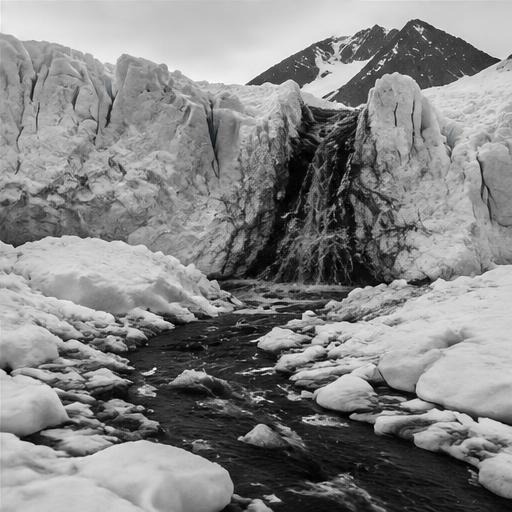
Iron-rich brine produces the red outflow from Taylor Glacier, while salt helps explain its hidden liquid supply.
30 October 2026 · InMillhouse
A red stain spreading across Antarctic ice looks like an invitation to invent a horror story. Blood Falls, at Taylor Glacier, has a less supernatural and more revealing explanation: iron-rich salty water emerges from the glacier and turns red when its iron encounters air. It is not blood, and the glacier is not a wounded organism. [1]
In 2017, researchers reported evidence connecting the outflow with a brine system beneath and within the glacier. Using radio-echo sounding, they traced the hidden route taken by the salty water. The salts helped the investigation because brine contrasts strongly with fresh glacier ice in radar observations. The team described a roughly 300-foot route from beneath the glacier towards the falls. [1]
The liquid is remarkable because its surroundings are so cold. Salt lowers water’s freezing point, and heat released as water freezes also helps explain how brine can persist within the ice. The university account described this as a glacier capable of supporting flowing liquid despite its cold conditions. Blood Falls is therefore more than an arresting colour: it is evidence that apparently frozen landscapes can contain active, concealed water systems. The unsettling name records an appearance, not a paranormal event. [1]
Editorial note: This feature summarises the published sources listed below; it is not a new archive investigation. The accompanying image is AI-generated illustration, not an archival photograph or evidence of the event.