Discoveries
BLC1: a signal that looked promising, then terrestrial
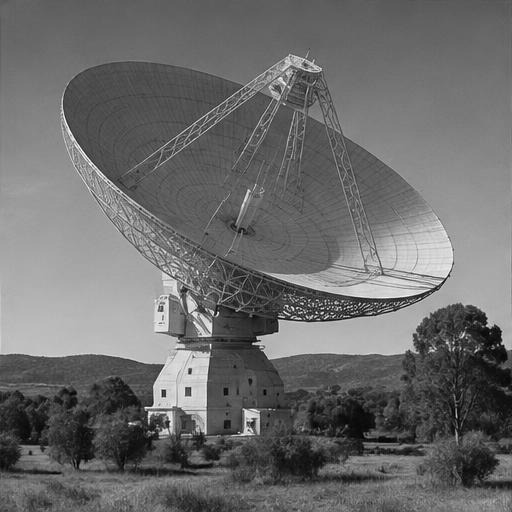
The nearby-star candidate was traced to human-made interference.
30 October 2026 · InMillhouse
In 2019, the Breakthrough Listen project recorded a narrowband radio signal, BLC1, while observing Proxima Centauri, the nearest star to the Sun. Its apparent direction and frequency drift initially made it worthy of investigation. A candidate signal, however, is a lead for scrutiny, not evidence of a message.
Researchers followed up with analysis of the original observations and additional data. The 2021 Nature analysis concluded that BLC1 was radio-frequency interference generated by human technology, with multiple signals combining to mimic some features expected of a technosignature. The case demonstrates why scientists compare on-target and off-target observations, test repeatability and examine the signal’s broader context.
BLC1 was not confirmed as an extraterrestrial transmission; the published analysis explains why it should be regarded as terrestrial interference. Its importance lies in the careful process by which an enticing candidate was evaluated and rejected, rather than in a claim of contact. That distinction—candidate, investigation, conclusion—is central to credible searches for life beyond Earth. [1]
Editorial note: This feature summarises the published sources listed below; it is not a new archive investigation. The accompanying image is AI-generated illustration, not an archival photograph or evidence of the event.