Discoveries
NASA’s UAP report: better data before big conclusions
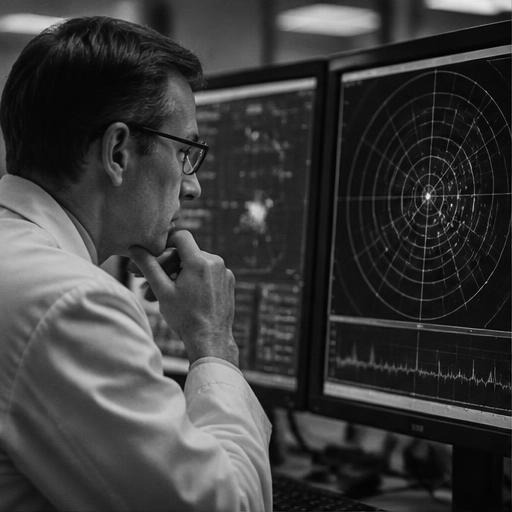
The scientific panel focused on how to investigate, not what to believe.
30 October 2026 · InMillhouse
NASA’s independent study team published its UAP report in September 2023. Its central point is methodological: reports are often difficult to assess because observations lack calibrated, complete sensor data and consistent metadata. The team recommended improving data collection, analysis and reporting, while reducing the stigma that can deter pilots and others from sharing observations.
A phenomenon being unidentified means that available information does not permit a confident identification; it is not, by itself, evidence of alien origin. NASA’s report did not claim to have solved particular famous sightings or establish that UAP are extraterrestrial. Instead, it treated UAP as a potentially useful scientific subject that can be approached with careful measurement and transparent methods.
Better observations could distinguish ordinary explanations—such as balloons, atmospheric effects or sensor artefacts—from events that remain genuinely unusual. The report’s restraint is part of its value: reliable conclusions require evidence of sufficient quality, and uncertainty should be stated rather than filled with speculation. [1]
Editorial note: This feature summarises the published sources listed below; it is not a new archive investigation. The accompanying image is AI-generated illustration, not an archival photograph or evidence of the event.