Discoveries
Why an octopus really does have blue blood
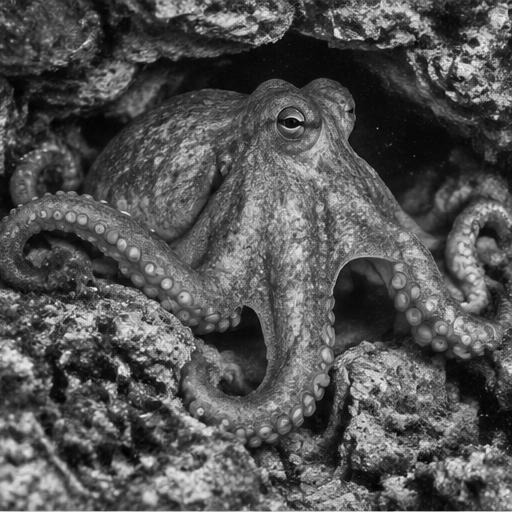
Copper-based oxygen transport gives these marine animals a colour unfamiliar from human anatomy.
30 October 2026 · InMillhouse
An octopus does not need an injury, an infection or a fictional mutation to have blue blood. Its oxygen-carrying protein is haemocyanin, which contains copper. Human haemoglobin instead relies on iron. When oxygenated, the octopus protein gives the circulating fluid its characteristic blue colour; when deoxygenated, that fluid loses its blue appearance and becomes clear. The Natural History Museum explains the difference as a feature of normal octopus biology. [1]
The plumbing is unusual too. An octopus has three hearts: two pump blood past the gills to collect oxygen, while another circulates it around the body. These are distinct jobs within one working circulatory system, not three interchangeable spare hearts. [1]
Haemocyanin is well suited to transporting oxygen in cold, low-oxygen conditions, helping explain its importance to life in the sea. That does not make octopuses alien visitors. Their otherworldly reputation is a human response to an animal built differently from us. Blue blood and multiple hearts are factual anatomical features; paranormal claims are unnecessary. The real surprise is how evolution can solve the familiar problem of supplying tissues with oxygen using different molecular materials and a different arrangement of pumps. [1]
Editorial note: This feature summarises the published sources listed below; it is not a new archive investigation. The accompanying image is AI-generated illustration, not an archival photograph or evidence of the event.